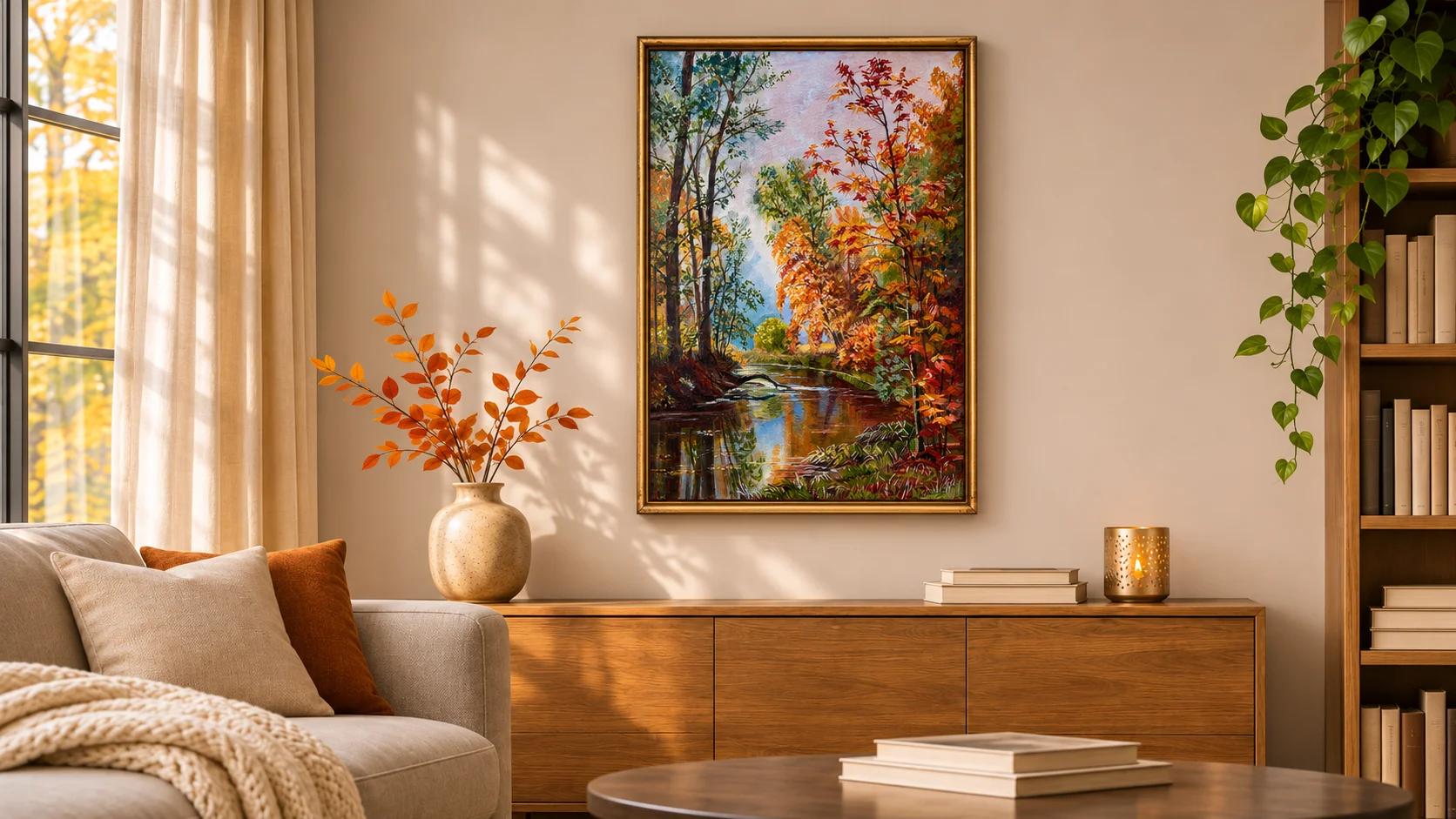
Your first art collection does not need to begin with a famous name or a large budget. It can begin with one painting you genuinely want to live with.
If you have ever stopped in front of a painting and found yourself returning to it, you already know something important about collecting art: the strongest connection often comes before the technical knowledge. Perhaps you love the movement of the sea, the quiet of a forest, or the way afternoon light falls across ordinary objects. Those preferences are a useful starting point.
But when it comes to making your first purchase, practical questions quickly follow. How much should you spend? Where can you find original artwork? How do you know what you are buying, and how do you look after it?
This guide explains how to start an art collection in eight approachable steps, from discovering your taste to choosing and caring for an original painting.
Quick answer: Start by looking at art regularly, noticing which works stay with you, and setting an affordable total budget. Choose a trustworthy artist or seller, check the artwork's details and condition, understand the full cost, and keep your purchase documents. Begin with one piece you love rather than trying to fill a wall at once.
1. Start with what moves you, not what seems fashionable
You do not need to recognize every art movement before you can become a collector. In fact, beginning with your own response can make your choices more personal and more consistent.
Think about the images you naturally return to. Do you prefer energetic ocean waves or still, reflective water? Warm autumn colors or cool mountain air? A detailed still life or a wide landscape with plenty of open space?
Try answering three questions:
- What subjects draw my attention? Nature, coastlines, everyday objects, portraits, abstract shapes?
- What feeling do I want the work to bring into my home? Calm, warmth, curiosity, energy, nostalgia?
- Would I still enjoy looking at this piece in five years? Imagine living with it rather than viewing it for a moment on a screen.
There is no need to choose a permanent theme. Your taste can change as you encounter more artists. A collection becomes interesting precisely because it records the discoveries you made along the way.
2. Train your eye before you buy
One of the most enjoyable parts of collecting is looking without the pressure to purchase.
Visit museums, independent galleries, open studios, or local exhibitions when you can. Explore artists' websites and online galleries, too. Take a little time with each work instead of scrolling quickly past it.
A simple exercise: save five paintings that catch your attention. Return to them several days later. Which ones still stand out? Look for patterns in color, light, composition, subject matter, and technique.
For example, you may discover that realistic landscapes interest you less because they depict a particular place and more because of the atmosphere created by changing light. Recognizing that distinction will help you choose a painting you connect with, even when the subject is unfamiliar.
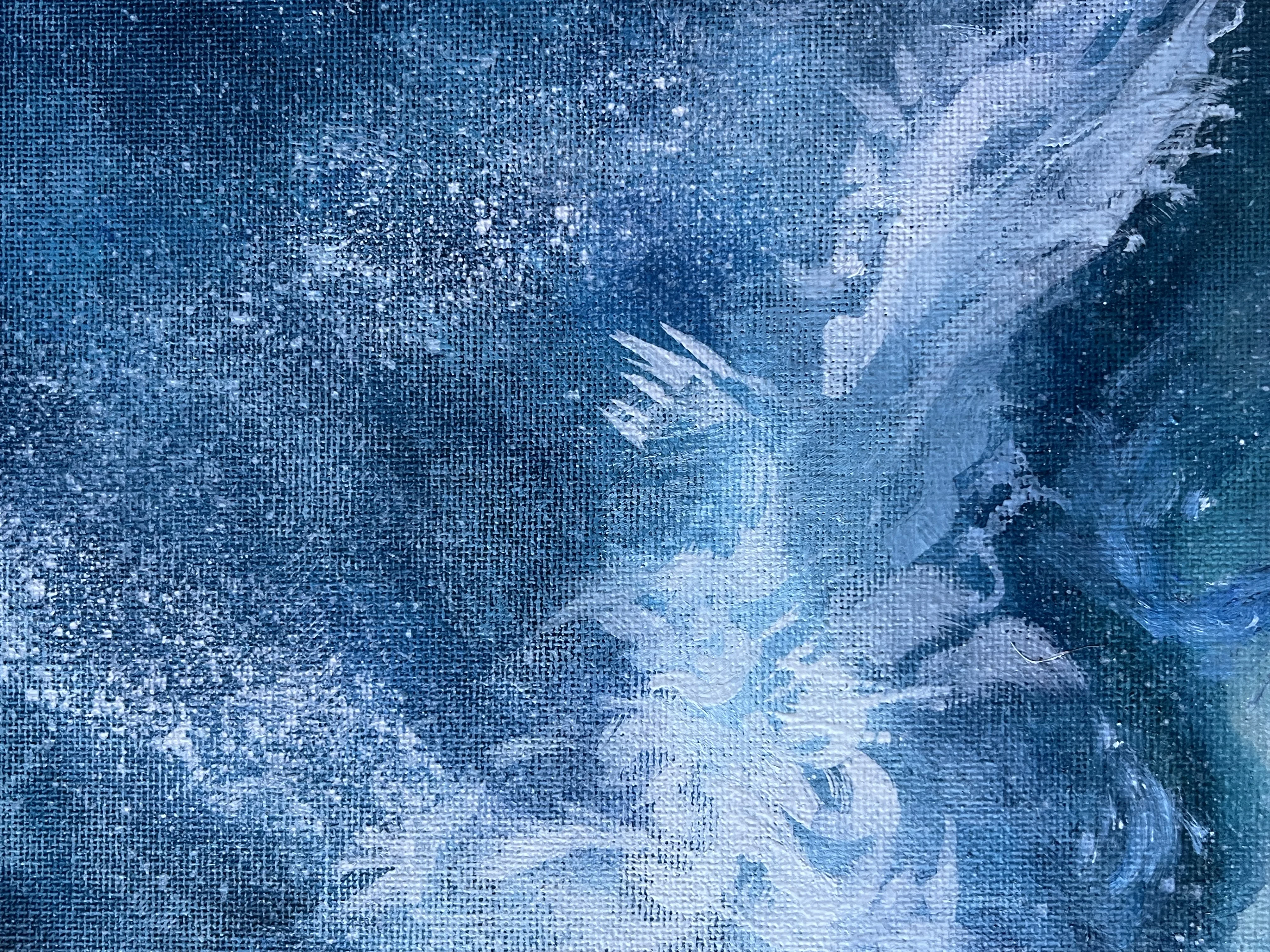
Whenever possible, view close-up images. They reveal brushwork, surface texture, fine transitions of color, and other details that may be difficult to appreciate in a small thumbnail.
3. Set a budget that leaves room for the full purchase
There is no universal minimum amount required to start collecting art. Original artworks vary greatly in price depending on size, medium, the artist's practice, and other factors.
Choose a spending range that feels comfortable without relying on future resale. Rather than asking, "What is the most expensive painting I can afford?" ask, "What could I spend on a work I would be happy to keep?"
Remember that the purchase price may not be the final cost. Depending on the seller and destination, you may also need to account for:
- Framing or mounting
- Packaging and shipping
- Taxes, duties, or customs charges
- Installation and appropriate hanging hardware
- Insurance, where relevant
A smaller original painting can be an appealing first purchase. It allows you to learn what owning art feels like and how you want to display it without making every decision at once.
It is fine to save for a work you love. Buying fewer pieces thoughtfully can be more satisfying than collecting many simply because they are inexpensive.
4. Know where to find original artwork
There are several ways to discover and purchase art, each offering a different experience.
Buying directly from an artist can offer insight into the creative process and an opportunity to ask questions about a specific piece. An artist's website is often a good place to explore their style and body of work.
Independent galleries may help you compare artists and understand different media. Staff can often provide information about provenance, condition, and presentation.
Online art platforms make it easier to discover work beyond your local area. They are useful when they provide clear photographs, dimensions, media, seller information, and written transaction terms.
Art fairs and open studios let you explore a range of art in person, sometimes with an opportunity to speak directly to the people who made it.
Whichever route you choose, take time to check the details. A beautiful photograph is an invitation to learn more, not a substitute for understanding the work.
5. Learn the difference between an original painting and a print
When you are starting an art collection, terms such as original, limited edition, and print can be confusing.
An original painting is a physical work painted by the artist. Its surface, brushstrokes, and material qualities belong to that particular object.
A fine-art print may itself be an original work made through a printmaking process; limited-edition prints are commonly identified by an edition number and other documentation. A reproduction print, by contrast, reproduces an existing artwork or image.
There is nothing wrong with choosing prints. They can make art more accessible and may be exactly what you want. What matters is knowing which type of object is offered and whether the listing accurately describes it.
Before purchasing an original painting, confirm:
- The artist's name and artwork title
- The medium and support (for example, oil on canvas)
- The exact dimensions and whether a frame is included
- Whether the piece is one of a kind
- The condition and any relevant restoration
- Which documents, such as an invoice or certificate, are provided
A certificate can be useful supporting documentation, but its credibility depends on who issues it. Keep the seller's written description and proof of purchase as well.
6. Choose a first painting that belongs in your life
Now imagine the painting in the place where you will see it every day.
Size is important, but so is the emotional character of the work. A powerful seascape can become the focal point of a quiet room. A warm still life can create a more intimate atmosphere. A landscape might bring a feeling of openness into a compact space.
It helps to measure your wall and consider nearby furniture, natural light, and the viewing distance. If you are deciding online, place a paper template of the artwork's dimensions on the wall to understand its scale.
Three ways to begin with original oil paintings
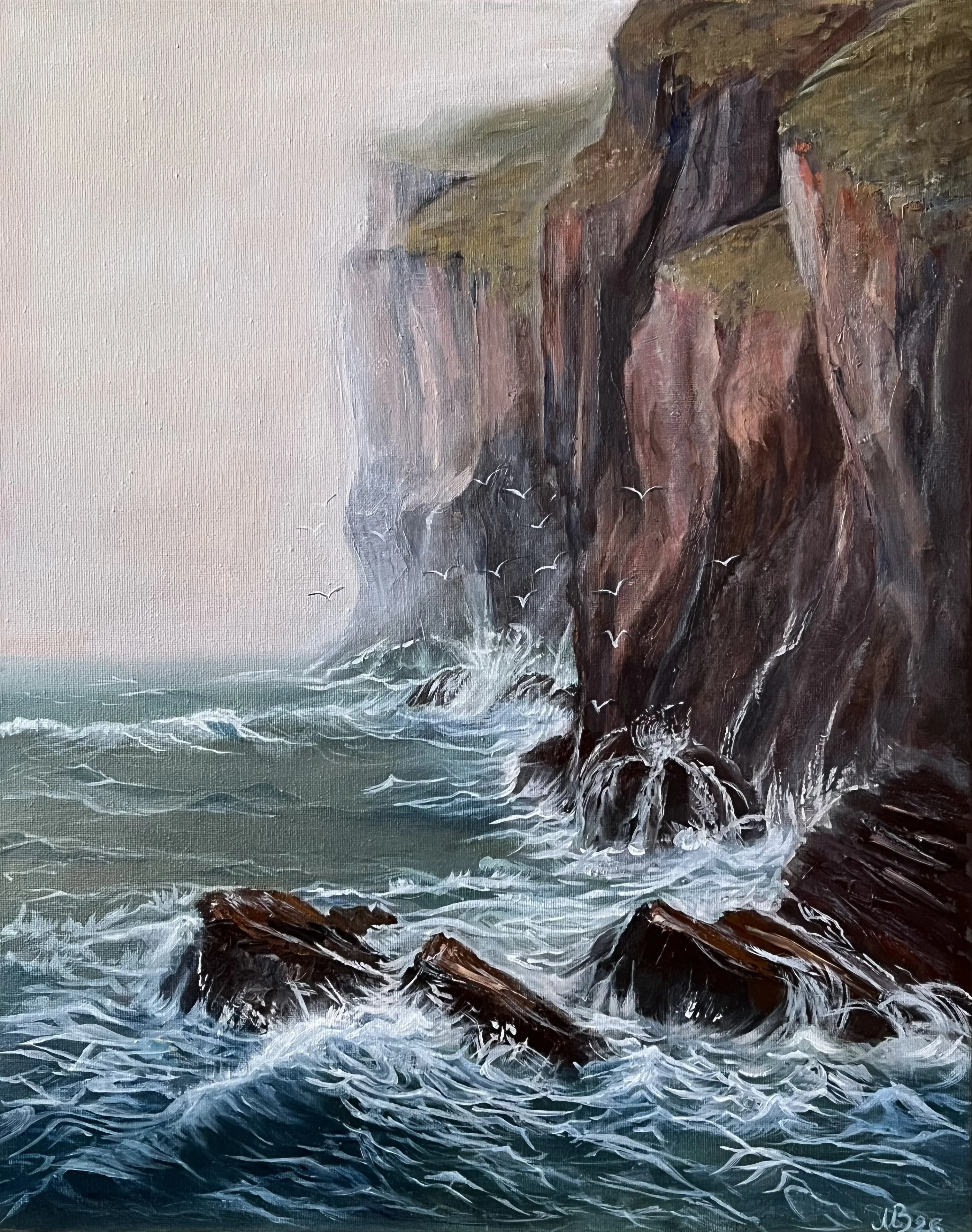
Seascapes: movement and atmosphere. In Cliffs in the Mist by Irina Vavilova, the cliffs, sea, and mist create a dramatic coastal scene. It is a useful example of how a landscape can be more than a view: it can establish an emotional tone.
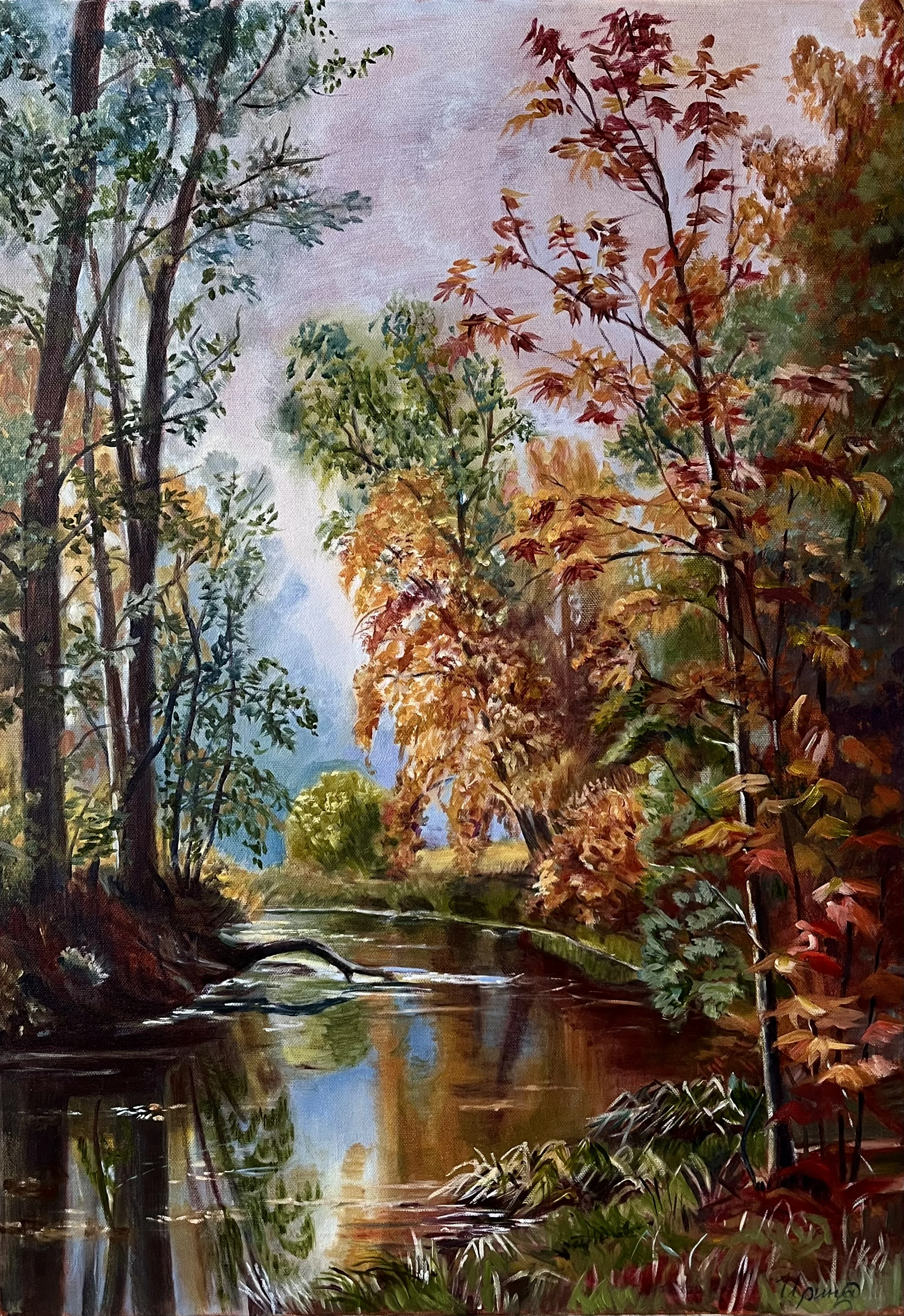
Landscapes: color and a sense of place. Autumn Reflections explores a river landscape with warm seasonal colors reflected in the water. Consider how a painting's palette might work with the light and materials already in your room.
Still lifes: detail and everyday beauty. Amber Elegance focuses on glass, fruit, and warm light. Still-life paintings can reward close viewing because reflections, textures, and small details become part of the experience.
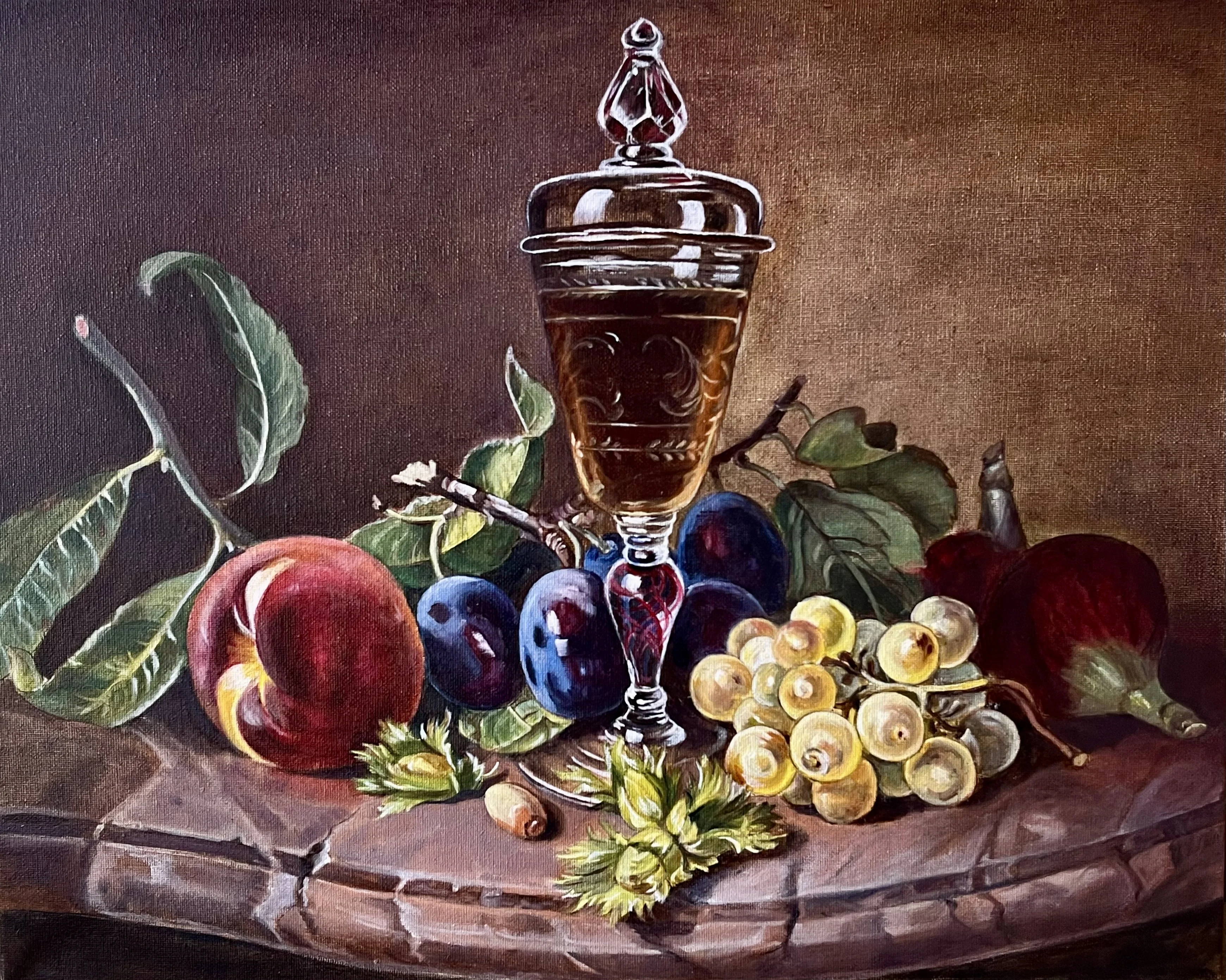
These are examples to help you explore different subjects, not a rule that your collection must follow one style. Availability and purchase conditions should always be checked on the current artwork listing.
7. Ask a few questions before you make the purchase
A thoughtful first purchase combines enthusiasm with basic checks. Once a work has captured your attention, ask the artist, gallery, or platform for anything that is not clear.
About the artwork: Is it signed? Can you see close-up photographs of the surface, edges, signature, and reverse? What are the exact dimensions? Is it framed or ready to hang?
About authenticity: Who made it? What documentation accompanies it? If you are buying from a reseller, what is known about previous ownership?
About the transaction: What is included in the price? What shipping options are offered to your country? Are taxes or import charges additional? What are the payment, return, and damage-claim terms?
If the seller cannot answer a basic question, it is reasonable to wait. A good purchase should feel considered rather than hurried.
For a first acquisition, an artist with a clearly documented practice and detailed artwork listings can be an approachable starting point. The point is not to eliminate all uncertainty; it is to make a decision based on reliable information.
Your first-purchase checklist
- I genuinely enjoy the artwork and would want to keep it.
- The total cost fits my budget.
- I know the medium, dimensions, condition, and whether framing is included.
- I understand whether I am buying an original or an edition.
- I have checked who is selling it and what documentation is supplied.
- I understand shipping, possible taxes, and the return policy.
- I know where I will safely display the work.
If you can check each item, you are in a much stronger position to make your first purchase with confidence.
8. Care for your artwork and keep a record
Collecting does not end when a painting arrives. A few simple habits will help you enjoy it for years.
Choose a secure location away from direct sunlight, strong heat sources, and large changes in humidity. Avoid placing a painting where it could be splashed, knocked, or exposed to steam. Check hanging hardware periodically, especially for larger works.
Do not use household cleaners or damp cloths on the painted surface. If the work appears damaged, flaking, or unusually dirty, ask a qualified conservator for advice rather than experimenting with a cleaning method.
It is also worth creating a simple record for each purchase. Save the invoice, artist's name, title, medium, dimensions, date of purchase, photographs, and any accompanying documents. A folder on your computer is enough to begin.
This documentation helps you remember the story of the work and makes later decisions about storage, insurance, or moving house easier.
How to build a collection over time
You do not need to buy several paintings immediately to call yourself a collector.
Start with one work. Live with it. Notice what changes in the way you see it over different times of day. When you discover your next favorite piece, ask whether it adds something new or creates a relationship with what you already own.
Some collections gradually develop around a subject, such as the sea or the changing seasons. Others combine different themes but share a feeling for light, color, or craftsmanship.
A meaningful collection is not necessarily the largest or most expensive. It is one that reflects your curiosity and develops at a pace that feels right for you.
Frequently asked questions
How much money do I need to start an art collection?
There is no fixed minimum. Set a total budget you can comfortably afford, including potential framing, shipping, and taxes. A smaller original artwork or a carefully selected print may be a practical starting point.
What kind of art should a beginner collect?
Start with subjects and styles you want to live with. Original oil paintings, drawings, photography, and artist-made prints are all possible directions. Understanding what you enjoy matters more than choosing a fashionable category.
Is original art a good investment?
Some artworks change in market value, but future resale prices are uncertain and selling can be difficult. For a first collection, focus on personal enjoyment and responsible spending rather than an expectation of financial return.
Can I buy an original painting online?
Yes. Review accurate photographs, the artist's identity, dimensions, medium, condition, documentation, and transaction terms before purchasing. Clarify delivery and returns, especially for international orders.
Should all the paintings in my collection match?
No. A theme can help you begin, but it should not limit you. Collections often become more personal when different artworks connect through mood, color, subject, or the memories behind each purchase.
Begin with a painting that stays with you
Learning how to start an art collection is ultimately about learning what deserves a place in your everyday life. Begin with curiosity, make space for practical questions, and choose a work that still speaks to you after the first moment of excitement has passed.
If you are drawn to atmospheric seascapes, natural landscapes, or richly detailed still lifes, explore the original paintings of Irina Vavilova. You can also view individual works and their current details through the linked ArtMajeur listings above.
Your collection can begin with a single painting — and a connection worth keeping.